

Solutions / Custom Software
Custom software for water engineering
QGIS plugins, operational dashboards, data pipelines, bespoke applications, and modelling-platform automation. Built around the specific workflow you want to remove friction from — not around a generic product we are trying to sell everyone.
Why in-house expertise matters
Water-engineering software is unusual: the people who know what the tool should do speak hydrology, not software architecture; the people who can build the tool rarely understand the domain. We do both. That means the scoping conversation is short, the build avoids rebuilding things that already exist in QGIS, HEC-RAS, or SCADA, and the handover is to a team that can actually maintain what we shipped.
-
We understand the modelling
We are a hydrology and hydraulics practice first. The software we build reflects how the modelling actually works, not a stylised version of it.
-
Source code handed over
Every engagement ends with source code licensed to you and a handover document. No vendor portal, no obfuscated binaries.
-
Honest scope
If your problem is better solved by a plugin than a platform — or by buying something off the shelf — we will say so before we write a proposal.
What we build
Plugins
-
 QGIS Plugin Development
Custom QGIS plugins for hydrology workflows, catchment delineation, floodplain export, and modelling-platform bridges. Scoped with handover documentation.
Dashboards
-
 Dashboard Development
Operational dashboards for municipalities, utilities, and mining water managers — built on the data you already collect: stormwater, TSF, reservoir status.
Integrations & automation
-
 Data Pipelines & Integration
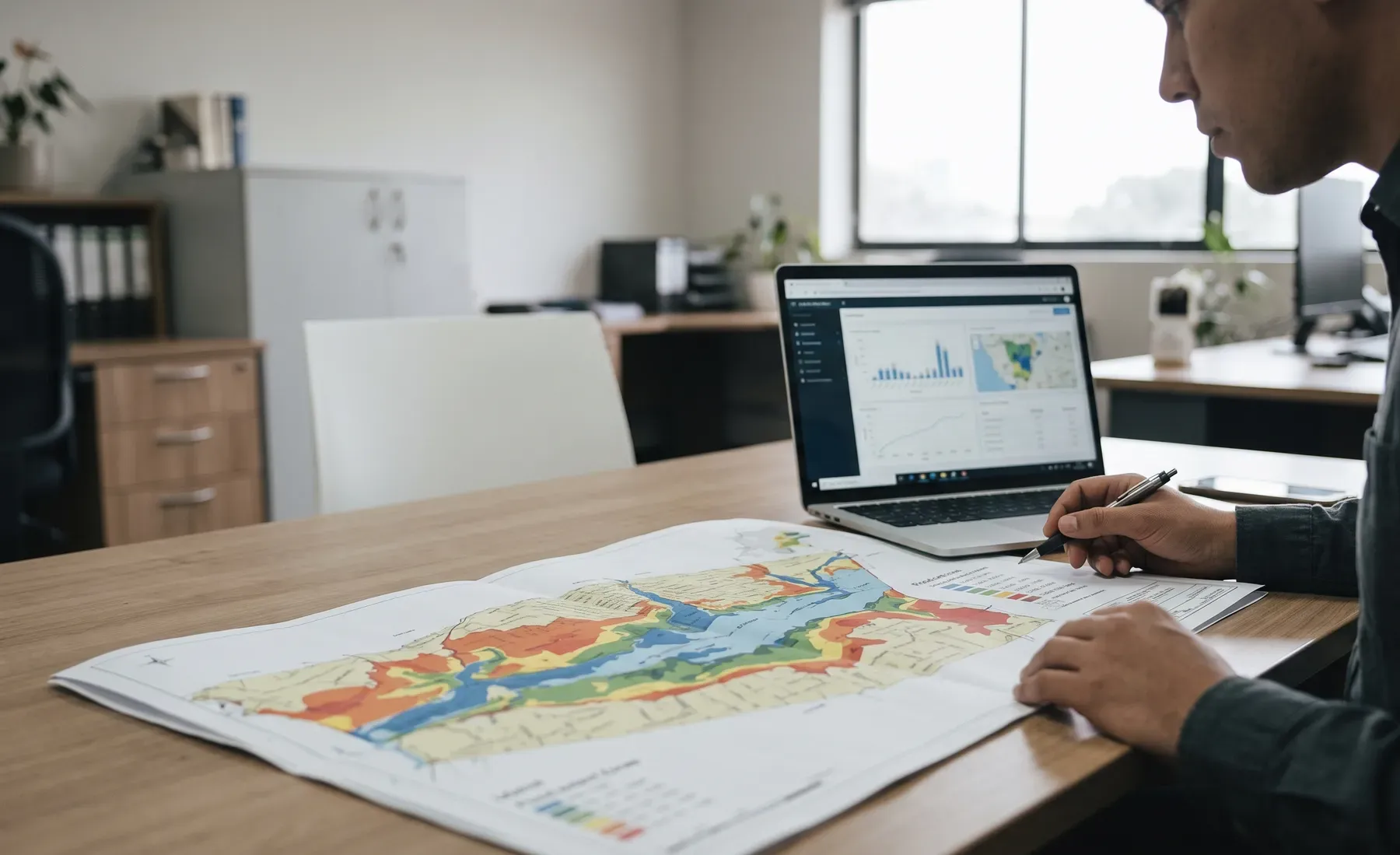
Ingest, transform, and serve hydrological, meteorological, and telemetry data for models, dashboards, and decisions. Engineered for real-world water data.
-
 Modelling Platform Customisation
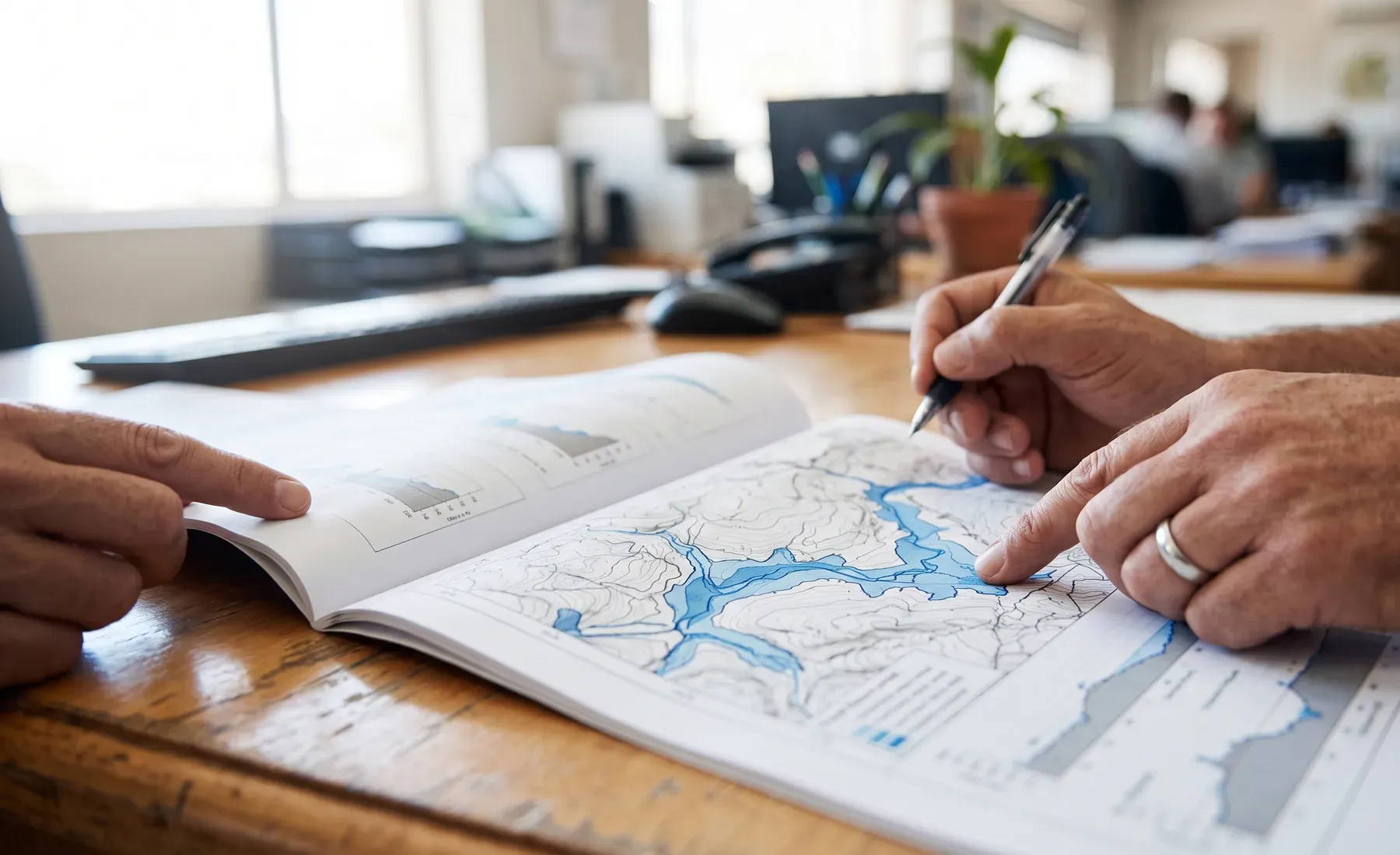
Extensions, scripting, and automation on top of commercial hydraulic modelling platforms. Let your modellers spend time on analysis, not on button-clicking.
Bespoke applications
-
 Bespoke Water Engineering Applications
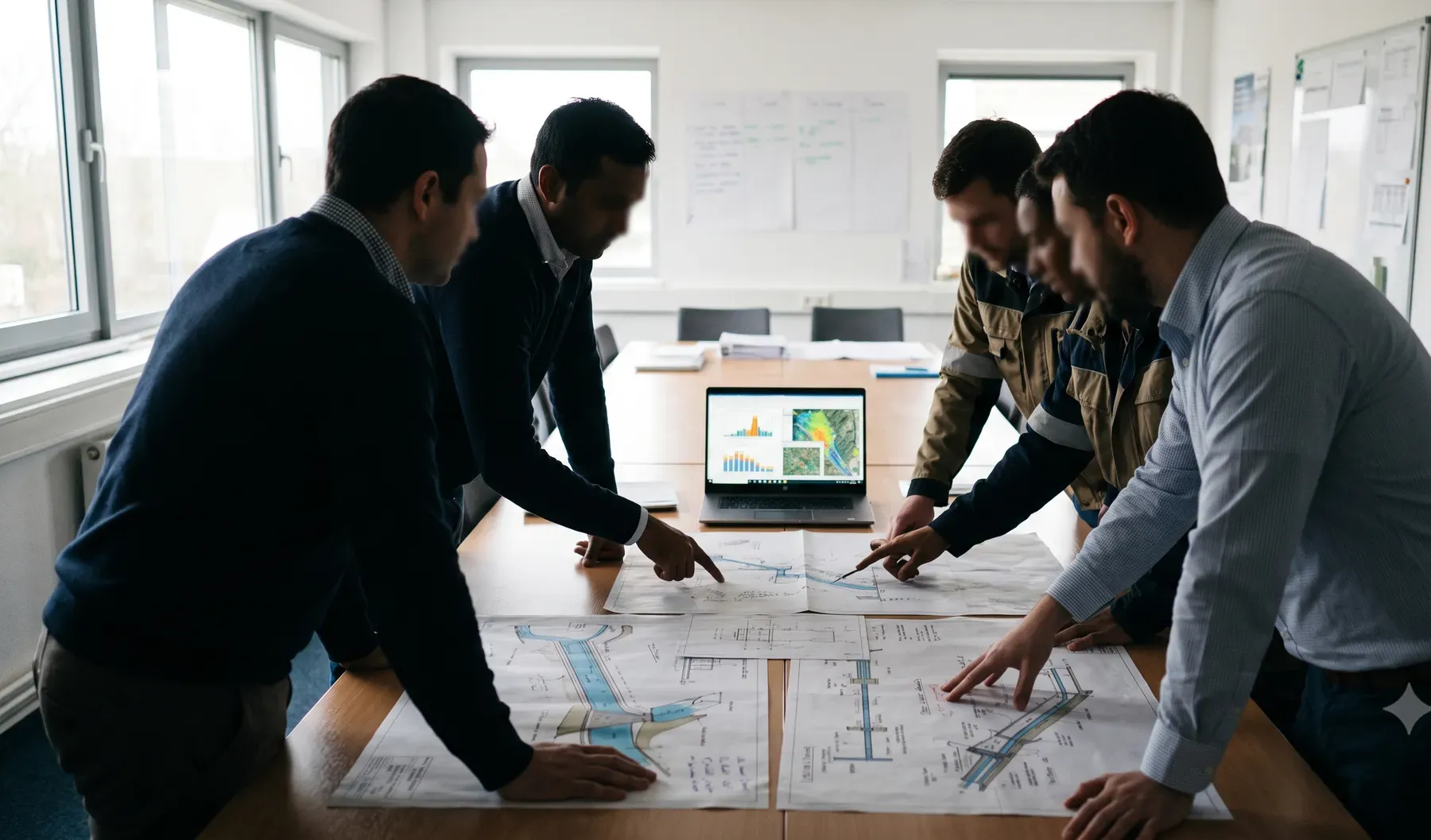
Custom apps for water engineering calculations, design workflows, and compliance reporting. Built around a specific pain point, not a generic platform.
How we work
1. Discovery
We sit with the team that will use the tool and watch the current workflow. The shape of the software follows the shape of the work, not a template. If a scoped-project fits better than a phased engagement — or vice versa — we will say so before we write a proposal.
2. Scope & design note
Inputs, outputs, failure modes, and interop constraints in a short design note. No waterfall document. Your team reviews and pushes back before any code is written.
3. Build in short loops
The intended user tries the tool on their own data as each piece lands. Feedback in days, not at the end. Scope changes surface early, and get costed honestly.
4. Handover
Source code, a short handover document, a demo with the team. An agreed bug-fix window. Ongoing support or extension work scoped separately — never bundled in to keep you tied to us.
Representative engagements
Anonymised to respect client confidentiality. Each one started as a conversation about a workflow that was painful, not about software someone wanted to build.
-
QGIS plugin, consulting firm
Catchment delineation + rainfall aggregation that used to take half a day per project, turned into a toolbar button. Rolled out across the team.
-
Stormwater dashboard, metro
Phased dashboard surfacing telemetry + rainfall for the operational team. Phase 1 was one view on real data inside two months; Phase 2 added alerts and board reporting.
-
HEC-RAS automation, firm
Python wrapper around a design-event grid so a single configuration file replaced a manual run-and-extract cycle. Validated against a reference project the modellers trusted.
Who we build for
-
Flood & Stormwater Services for Developers
Floodlines, SMPs, and flood risk advice for South African property developers at rezoning, planning, and detailed-design stages.
-
Stormwater & Flood Services for Municipalities
Stormwater management plans, floodline determinations, and flood hazard mapping for South African municipalities.
-
Sub-consultancy for Consulting Engineering Firms
Specialist hydrology, hydraulics, and flood modelling capacity for consulting engineering firms on a sub-consultancy basis.
-
Drainage & Flood Studies for Roads & Rail
Drainage, culvert design, scour protection, and flood studies for roads and rail corridors in South Africa.
-
Flood Risk Intelligence for South African Insurers
Flood hazard mapping, portfolio exposure, claims-dispute support, and post-event loss modelling for SA insurers. Expert engagements today; platform ahead.
-
Water Management for Mining Operations
Mine water balances, TSF studies, pit dewatering, and flood studies for South African mining operations.
Tell us what you would build if you had the right tool. We'll tell you whether we can build it, whether something off the shelf would be cheaper, and what a scoped proposal looks like.
Talk to an engineer