

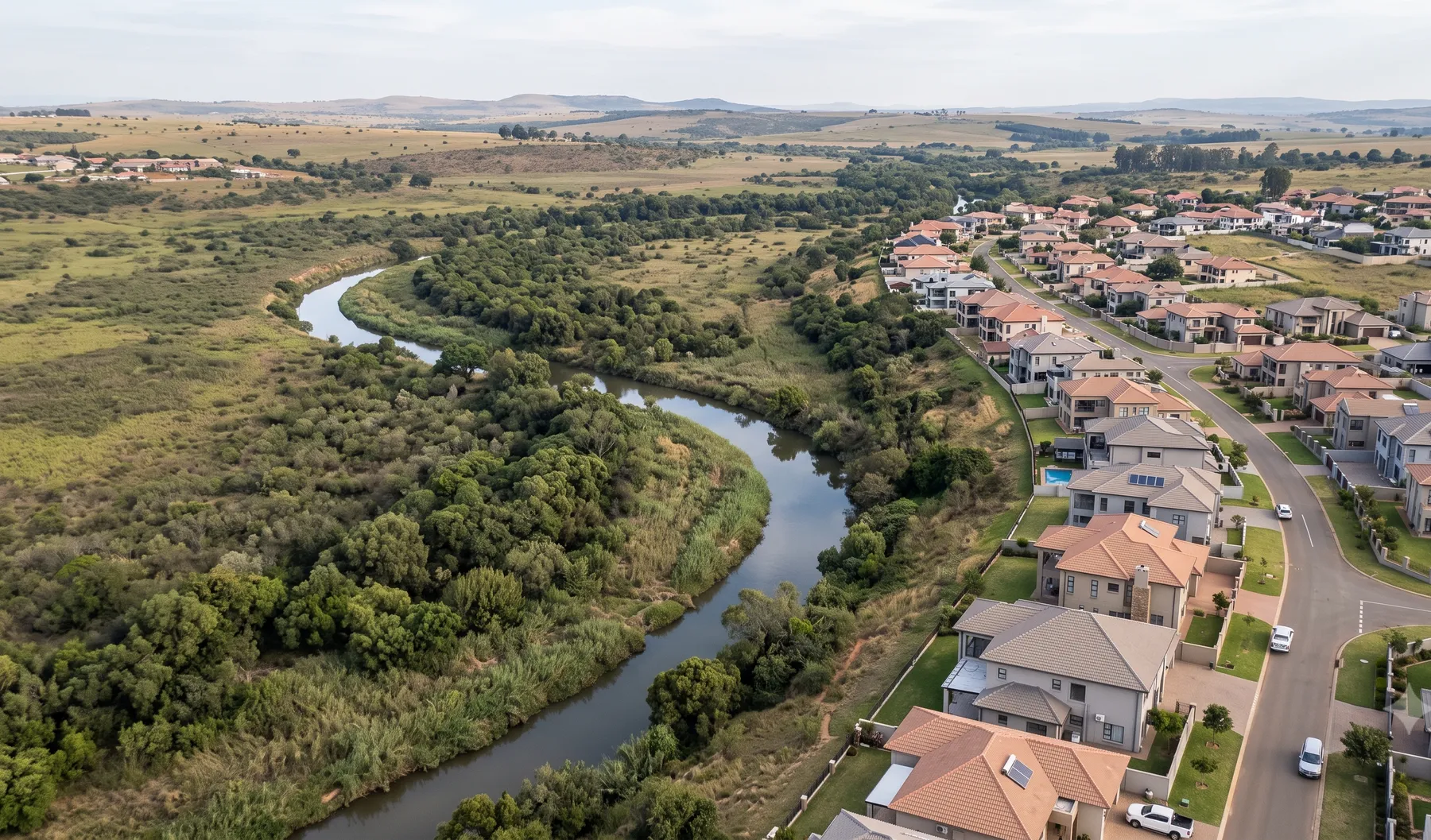
What is flood risk assessment?
Flood risk assessment combines hazard, exposure, and vulnerability so owners and regulators can compare options under uncertainty. It is widely used in due diligence, layout optimisation, and post-event review.
How we structure a decision-ready assessment
Risk work is organised around questions the transaction or safety case must answer (layout option A vs B, insurability, residual life-safety). We separate hazard from exposure, document scenarios with transparent assumptions, and translate model metrics into mitigation paths your project manager can schedule.
Governance and disclosure
Where findings feed boards, lenders, or regulators, we tune narrative and appendices to the audience—technical depth for reviewers, concise scenario summaries for executives, and clear statements on what was not modelled and why, consistent with NEMA risk-communication expectations where environmental processes run in parallel.
What we typically need from you
- Layouts, servitudes, phasing plans, and operational constraints (NDAs supported)
- Prior flood studies, hydrology reports, or insurer question sets to align to
- Asset registers or consequence categories the board or lender cares about
- Any post-event observations, photos, or maintenance records for calibration context
Where we add technical depth
- Mechanism-led framing (pluvial, riverine, infrastructure interactions) instead of a single map metric
- Scenario tables linking depths, velocities, and exposure for decision-makers
- Mitigation options with trade-offs for capex, land take, operations, and residual risk
- Explicit treatment of uncertainty and climate sensitivities when the brief requires them
When do you need this?
- Due diligence for acquisitions, financing, or insurance placement
- Comparing layout alternatives where flood mechanisms differ by option
- Safety and consequence studies for people, infrastructure, and the environment
- Post-event forensic review to separate pluvial, fluvial, and infrastructure causes
Our approach
- 1
Mechanism identification
Separate rainfall-driven, riverine, and infrastructure interactions relevant to the site.
- 2
Scenario modelling
Quantify depths/velocities for agreed events; present sensitivities where uncertainty matters.
- 3
Consequence & mitigation
Translate hazard into practical mitigation—layout, structures, operations, monitoring.
- 4
Reporting
Deliver a decision-ready memo with maps, tables, and explicit assumptions.
What you'll receive
- Risk assessment report
- Hazard maps and scenario tables
- Mitigation options with pros/cons
Relevant SA standards
- SANS 10409 context where structural implications arise
- Municipal flood policies and planning overlays
- NEMA risk communication expectations
FAQ
Is this the same as a floodline?
Not always—floodlines map an extent for a standard; risk assessment weighs mechanisms, consequences, and options.
Can you align to insurer formats?
Yes—brief us on the required narrative and evidence structure.
Do you include climate sensitivities?
Where requested, we can test agreed rainfall or loss sensitivities and document limitations.
What inputs do you need from us?
Layouts, servitudes, operational constraints, and any prior studies—NDAs supported.
Who signs the report?
Professional engineers within Delta Hydro Engineers as appropriate to scope and discipline.
Author
Robert FortuinAreas we serve
We prepare location-specific briefs for major centres across South Africa — see locations.
Related services
Related reading
- What Is a 100-Year Flood? Return Periods and AEP Explained
- Choosing Between 1D and 2D Flood Modelling for Your Project
- 1:50 vs 1:100 Year Floodline: What's the Difference and Which Applies to You?
- Building a National Flood Hazard Map: What Goes Into It
- Flood Risk Assessment for Property Developers: When You Need One and What's Included
- Floodline Determination in South Africa: What You Need to Know
- Post-Event Loss Modelling: From Flood Footprint to Portfolio Impact
- Property-Level Flood Scoring vs Catchment-Scale Hazard Layers: When Does Each Matter?
- Quantifying flood exposure across an insurance portfolio
- Reinsurance-Grade Flood Loss Models in South Africa: What That Actually Requires
- Rezoning and Subdivision: Why a Floodline Comes Before Your Planning Submission
- SANS 10400-H and Flood Risk: What It Means for Your Building Plan
- What Is a Floodline Study? A Plain-Language Guide for SA Property Owners and Developers
- What is flood risk intelligence? A guide for South African insurers
Ready to get started?
Contact us →Doing it yourself? Our engineering platform at studio.deltahydro.tech supports workflows in this service area.