What is rainwater harvesting design?
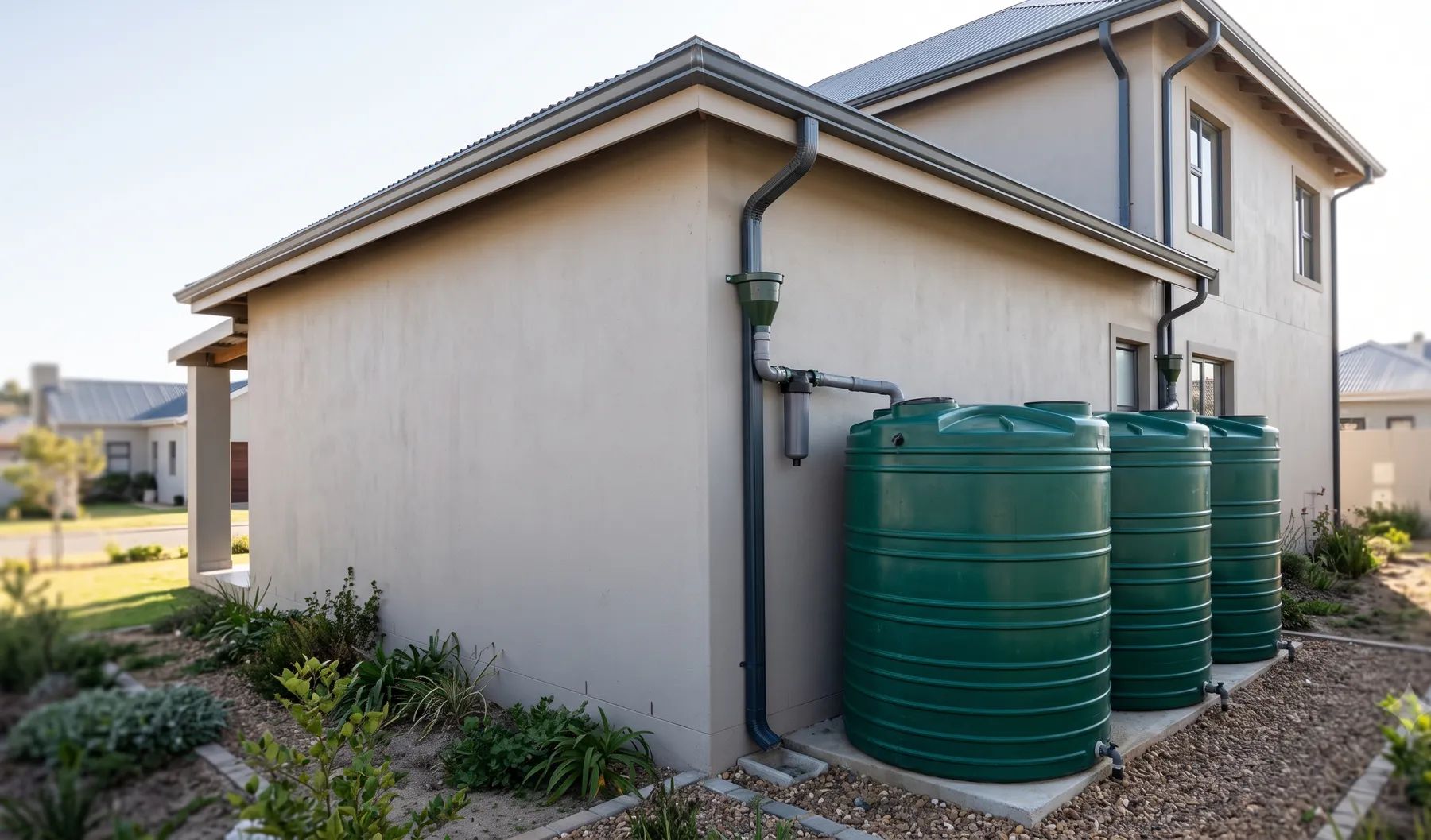
Rainwater harvesting design sizes collection, storage, treatment, and overflow so sites capture yield without creating new stormwater risks.
Harvesting that respects stormwater performance
Rainwater tanks change peak timing and overflow ethics on small catchments. We reconcile tank sizing with detention or WSUD targets so sustainability credits do not create downstream flooding surprises.
Reliability metrics
We present yield vs demand with explicit dry-season behaviour, referencing SANS water-use contexts where they apply—so clients understand maintenance, first flush, and when municipal backup is still required.
What we typically need from you
- Roof areas, materials, and first-flush assumptions; demand profiles for non-potable uses
- Tank vendor constraints, overflow levels, and connection to municipal/stormwater networks
- Rainfall series or design storm preferences from the sustainability brief
- Water quality pathway (non-potable vs potable) and coordination needs with process engineers
Where we add technical depth
- Water balance across wet/dry seasons with explicit reliability metrics
- Overflow routing that protects downstream properties and erosion-sensitive discharge points
- Integration with WSUD and stormwater quantity targets on the same site
- Documentation of assumptions for NEMA and municipal reviewers
When do you need this?
- Commercial and industrial buildings targeting non-potable supply
- Sites where stormwater attenuation must pair with harvesting
- Water-sensitive precincts with dual objectives (yield + flood risk)
Our approach
-
Demand & reliability
Define end-use demand and reliability targets.
-
Water balance
Size storage, first-flush, and overflow for agreed storm inputs.
-
Integration
Align overflows with on-site stormwater management and erosion control.
What you'll receive
- Harvesting design memo
- Water balance tables and figures
Relevant SA standards
- Municipal stormwater and SANS water use contexts (as applicable)
FAQ
Can you design for potable use?
Potable use needs water quality treatment design beyond hydrology, so that part sits with process engineers. We confirm the water quality pathway (non-potable or potable) at the start and coordinate the storage and first-flush design with them.
Can tank overflow cause flooding downstream?
We route overflows into the site's stormwater management and erosion control, and verify that they do not create uncontrolled stormwater risk for downstream properties or erosion-sensitive discharge points.
How reliable will the tank be?
Reliability depends on the demand profile and rainfall variability. We run the water balance across wet and dry seasons, report yield against demand with explicit reliability metrics, and show when municipal backup is still required.
Do you specify first-flush diversion?
Yes. Storage, first-flush and overflow are sized together in the water balance, and we specify first-flush volumes and their maintenance implications for the water quality goals.
How does harvesting fit with a stormwater management plan?
We reconcile tank sizing with the detention or WSUD targets in the stormwater management plan, so harvesting and attenuation controls do not conflict and sustainability credits do not create downstream flooding.
Author
Stephan DreyerAreas we serve
We work on projects across South Africa — see locations.
Related services
Ready to get started?
Contact us